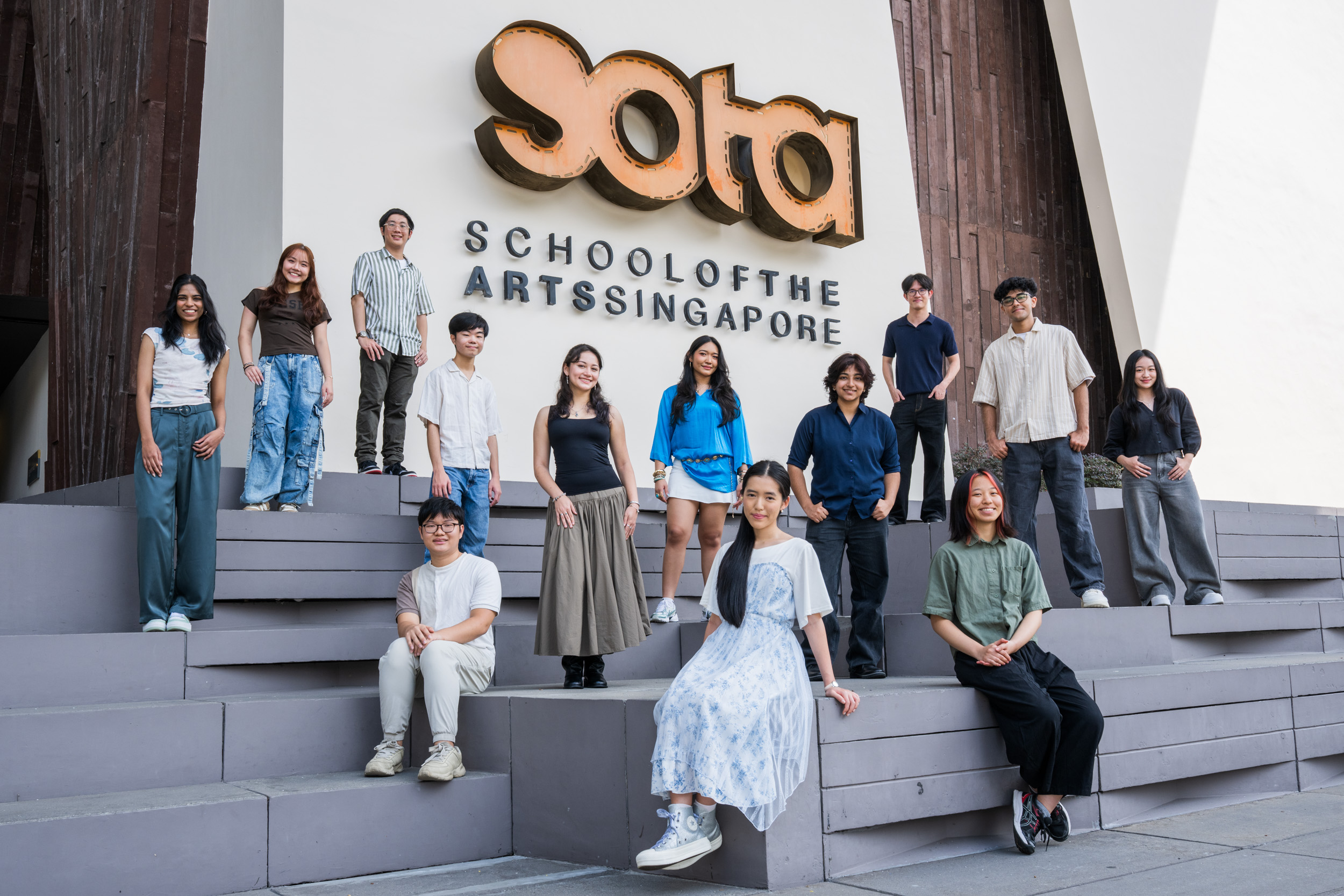
Congratulations to the Class of 2025 on reaching the finishing line of your journey here at SOTA! We hope that the past six years here have brought you unforgettable memories and learning experiences to accompany you as you embark on the next chapter of your life. Read on to find out more about their journey here in SOTA.
How would you say you have changed the most?
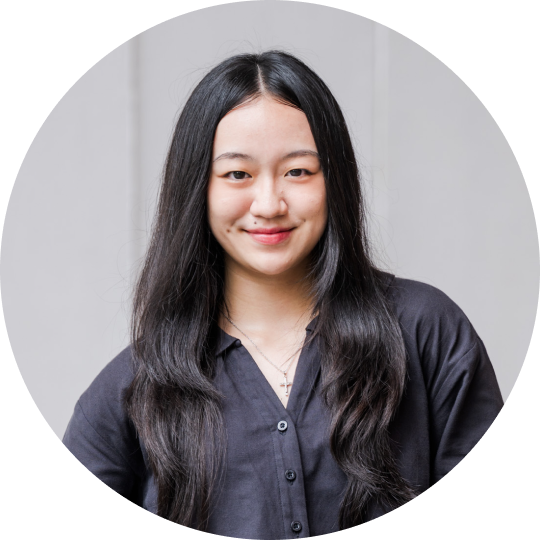
“The way I viewed the arts — Prior to SOTA, I viewed dance as a pastime and hobby, yet now it has become a central part of my identity, growing into a potential career through the six years spent here. The catalyst would be the exposure to different choreographers from diverse backgrounds; seeing their unique perspectives on dance and the dedication they put in becomes heartwarming and inspiring. It reminds me how powerful this art form can be in connecting people and carrying meaning beyond movement.”
Cheah Yan Ni (Dance)
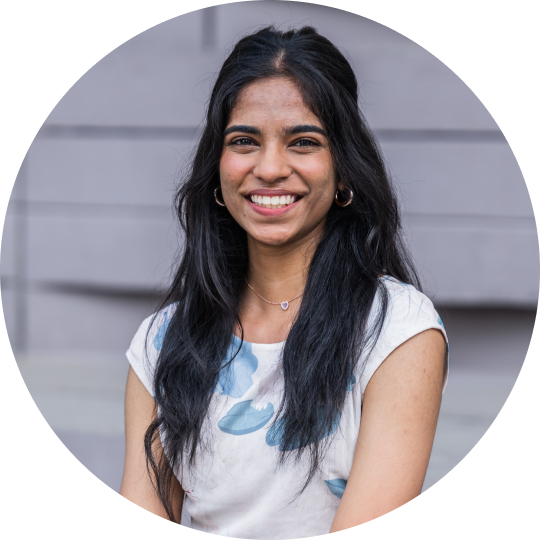
“One of the biggest catalysts for my personal growth has been musical composition. Before joining SOTA, my approach to music was mostly instinctive. I played around with melodies, but I had little structure or guidance. At SOTA, I learned more theory and gained exposure to different styles, which opened up a new kind of freedom for me. It taught me to trust the process rather than rush to organise or categorise ideas.”
Rishab Vijayakumar (Music)
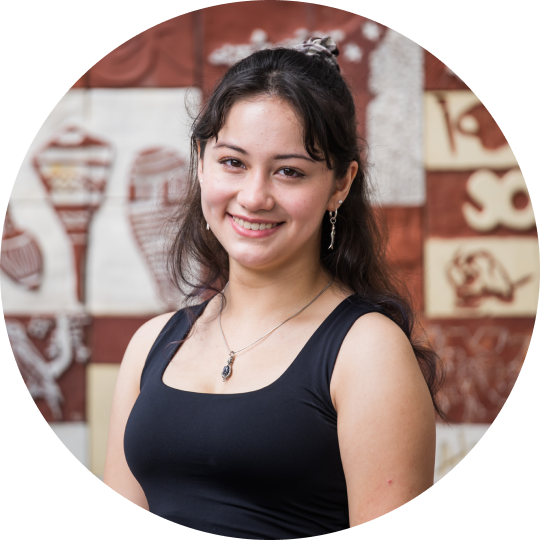
“I grew more confident to take risks and embrace myself. My struggles in Theatre were especially pronounced in my lower years. A degree of self-consciousness insidiously manifested itself through my actions. In retrospect, there was always a wavering, uncertain quality that stiffened my actions and narrowed my range as an actor. I finally shed much of my self-consciousness when I realised people care less than you think — a realisation only possible due to the supportive, enthusiastic risk-taking environment created by my peers. Since then, Theatre has become my safe space. I know that my risks actively shape the process in creating works representative of each and everyone of us.”
Caden Soh Hong Yi (Theatre)
How do you approach setbacks, hurdles, or difficulties in your studies and artistic practice?
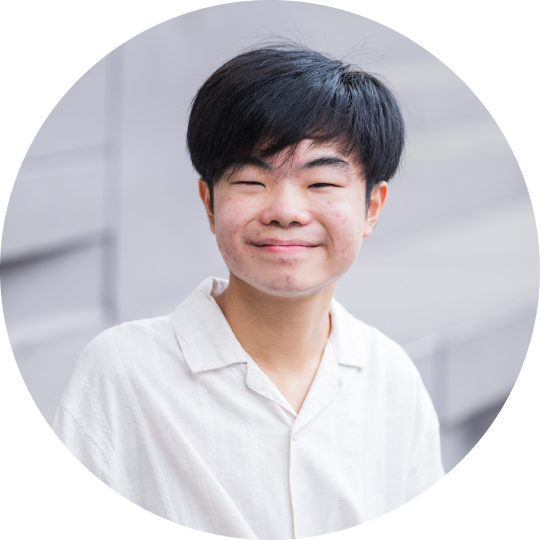
“They’re all learning opportunities and/or puzzles to solve! It helps to frame every problem as a vessel for productivity and keep morale up. For instance, the breadth of the Extended Essay (a component of the IB syllabus) was so unfamiliar and daunting at first that every draft I sent in had me feeling some sort of inadequacy. Looking back, my draft essays were hard to understand at first, and I just kept reading and analysing my own writing, and cross-checking with the feedback I received until I was sure I understood where I went wrong in my essay. It took multiple iterations, but I’m happy to say that I am now a much more lucid writer.”
Natalie Renee Lim Zhi Xuan (Music)
“I approach challenges with a mindset of exploration and view obstacles as opportunities for growth through pushing my limits by taking thoughtful risks. In my artistic practice, I encountered many instances of trial and error — during the weeks of experimenting with a wide range of materials like clay, plastic and epoxy resin for a particular artwork, the outcomes were not what I envisioned. Instead of feeling discouraged, I learnt from the implications of each attempt, combining the strengths of each material, and also discovered an unconventional material of clear resin clay, which led to a successful final result. These hurdles have taught me that perseverance, resilience and curiosity enables me to derive growth from every setback.”
Violette Evangelynne Lovell Lie (Visual Arts)
Tell us about some of the interesting programmes and activities that you participated in and what you have learnt from it.
“The Dance Arts Excellence Programme (AEP) trip to Taipei was a truly fulfilling and unique experience where I had the chance to engage with local Taiwanese students, learn from their teachers, and be exposed to new styles and cultural practices. Immersing myself in the local cultural dances broadened my perspective and enhanced my versatility as a dancer technically and artistically.
Beyond the dance aspect, the trip also made me realise how fortunate I was to be able to pursue what I love, in a context where not everyone has the same opportunities. It made me even more determined to dance wholeheartedly, take risks, and remain deeply passionate about my art.“
Rawat Heelori (Dance)
“The opportunities provided by the Scholars’ Committee have shaped me immensely. They provided us with application resources, personality assessments, leadership workshops and workshops on writing personal statements. It was incredibly reassuring at this point in my life where writing a personal statement felt terrifying, like standing at the precipice of a new chapter. What I appreciated most was that I could share these resources with my friends who were not in the scholars programme, it felt meaningful to spread that support to the people around me.”
Celestine Sixuan Groleau (Theatre, IBCP)
“One of the most enriching experiences was going on the Music AEP (Arts Excellence Programme) trip to Brisbane where I visited the Queensland Conservatorium of Music. I got to experience the various classes the first year undergraduate students there took, and even had one-on-one piano lessons with Professor Bernard Lanskey. I was very glad to have a taste of what conservatory life would be like, which is a great head start for me before I enrol in one in the future.“
Ethan Sia Boon Yee (Music, IBCP)
“I had the chance to collaborate with SMRT in the Comic Connect mural project, where our team designed a mural that reflected the distinct features of Khatib Station through a cohesive visual narrative. Later, I applied what I learned to lead a group in creating a mural for the school that expressed SOTA’s vision. These experiences taught me how I can utilise art as a means to contribute to the community and encapsulate shared identity.”
Loh Min En (Visual Arts)
“The theatre faculty brought us to watch a wide range of performances which exposed me to different theatrical styles and production elements such as lighting, set, and costume design. Experiencing theatre collectively with my peers helped me understand performance within a broader artistic context, and inspired ideas I could bring into my own work.”
Aliyah Adriana Zulkarnain (Theatre)
What is one advice you would give to students considering joining SOTA?
“SOTA’s curriculum and the IB programme are incredibly intense and challenging. Rather than simply “managing your time”, create reliable habits and systems that will allow you to push through stressful periods, such as incorporating rest and fun activities into your schedule. For example, I teach young children ballet on Saturdays, which I find to be an engaging and enjoyable activity that takes my mind off school. I also find that exercising regularly after school keeps me healthy and alert, allowing me to reset after a tiring day – even a short 15-minute YouTube video workout is better than sitting all day studying!
Having sufficient rest allows me to work efficiently as compared to dragging myself tiredly for hours on end. Your health (in all aspects) should be your most important commitment!”
Foong Hana Mizoguchi (Literary Arts)
“I would advise them to always try new things and never be afraid of the unknown, as that is where the most fun memories are made. Looking back, I realised how the times where I felt I have achieved such growth was when I was in new territory exploring new ideas. With that said, things may take an unexpected turn too, but when that happens, know that the student community would be there to break your fall. So, never hold yourself back because there is nothing to lose.”
Javier Loke Jin Cheng (Music)
“SOTA’s allure is its people. The diverse cast of artists you will encounter will both be the same as you, and so unimaginably different. You will be each others’ friends and colleagues, dreams and goals. Look forward to the people who define a space full of creativity and learning!”
Terrell James Ng (Literary Arts)
“Success at SOTA is not only about innate talent but about persistence, openness to learning, and a willingness to engage fully with new experiences, embracing curiosity and being ready to take risks. You will encounter challenges and moments of uncertainty, but these are where growth happens. Learning to adapt, to reflect on feedback, and to trust in your own capacity to problem solve is crucial. Above all, SOTA teaches that resilience and curiosity go hand in hand. If you approach your time here with an open mind, a willingness to explore, and the confidence to pursue your passions, you will be able to make the most of the experiences, connections, and learning opportunities that the school offers.”